- EN
- ES
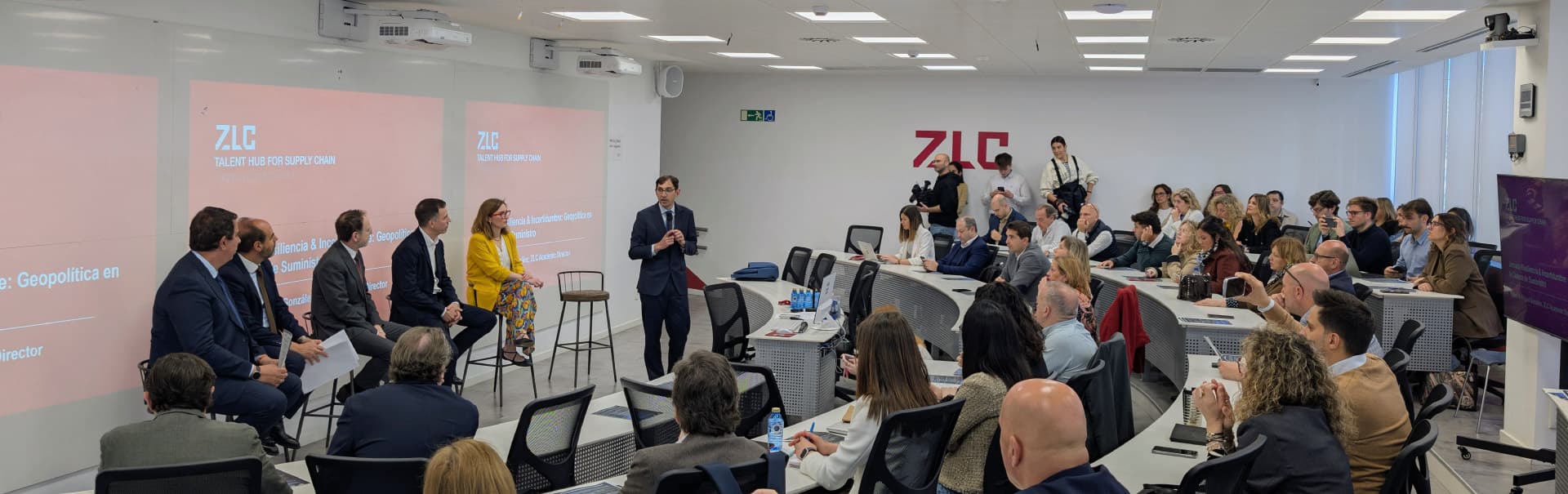

ZLC brings together experts and companies to address supply chain resilience amid geopolitical uncertainty
The event, organized together with the ALIA cluster and the European RISE SME project, explores how companies and institutions are adapting their strategies in response to a global environment marked by disruptions, energy volatility, and the transformation of international trade.
Zaragoza, May 18, 2026. Zaragoza Logistics Center (ZLC), an international center of excellence in logistics and supply chain management promoted by the Government of Aragón and affiliated with the Massachusetts Institute of Technology (MIT), is hosting today the event “Resilience to Geopolitical Uncertainty in the Supply Chain”, a gathering that brings together institutional representatives, companies, and experts from the logistics ecosystem to reflect on the impact of the current geopolitical context on global supply chains.
Organized by ZLC in collaboration with the ALIA cluster and with the support of the European RISE SME project, the event addresses some of the key challenges companies are currently facing: rising energy costs, regulatory volatility, sourcing difficulties, the need to diversify suppliers, shortages of talent and specialized profiles, and the need to adapt to increasingly frequent disruptions in international trade.
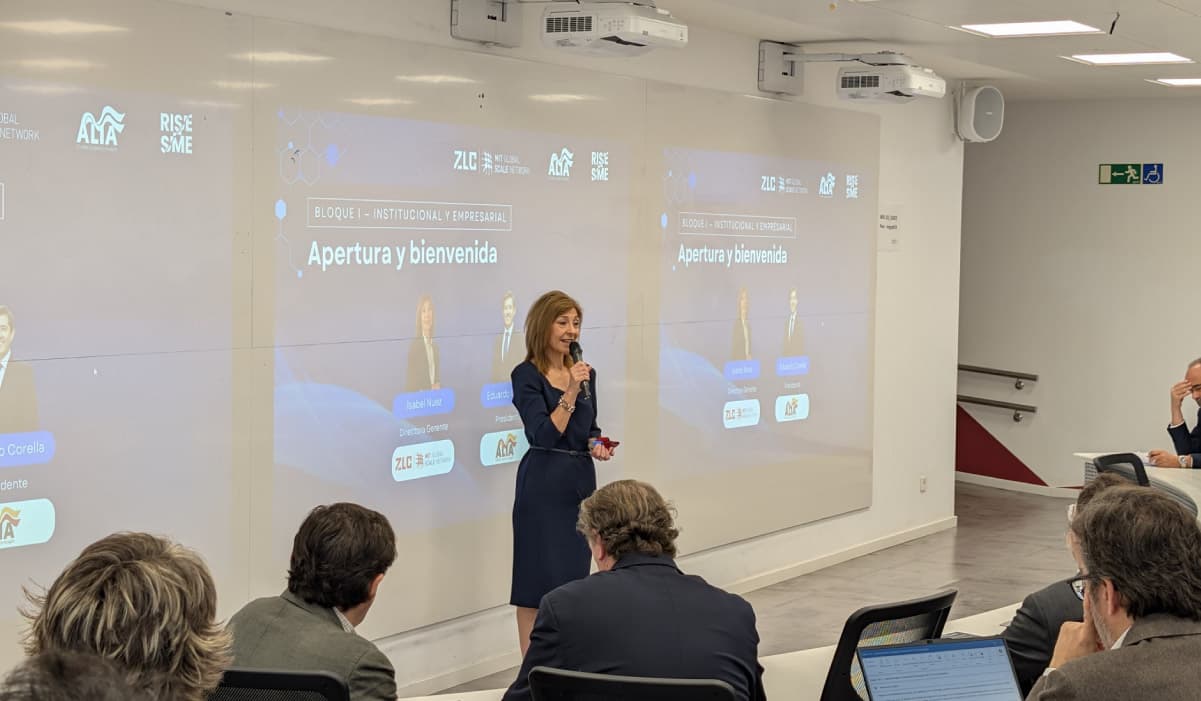
The institutional opening featured Isabel Nuez, Managing Director of ZLC, and Eduardo Corella, President of ALIA, who highlighted the importance of strengthening collaboration between businesses, academia, and institutions to build more resilient, sustainable, and competitive supply chains.
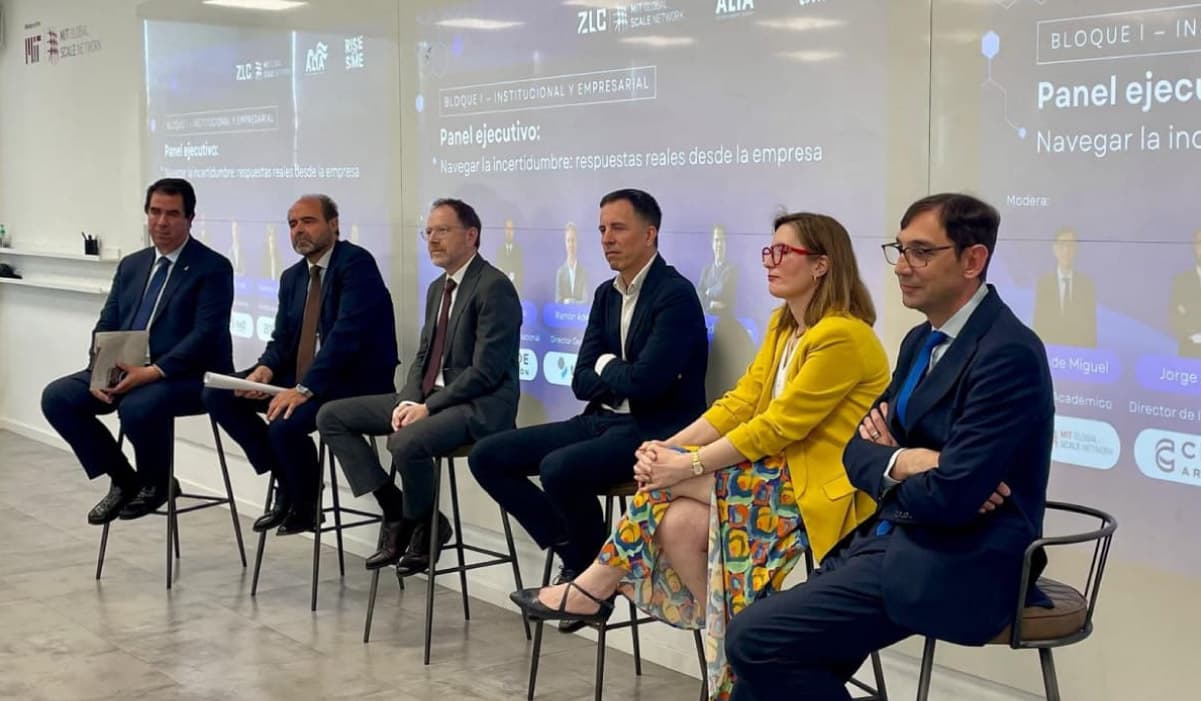
One of the central moments of the event was the executive panel moderated by Rafael de Miguel, Academic Director of ZLC, where representatives from CEOE Aragón, AREX, Teruel Airport, Zaragoza Airport, and Zaragoza Maritime Terminal (TMZ) shared experiences and strategies developed in recent years to respond to successive global logistics crises.
During his speech, Rafael de Miguel emphasized the adaptability of the Aragonese logistics ecosystem in the face of an increasingly complex international scenario:
“Aragón is very well prepared to face supply chain disruptions and the impact that geopolitics has today. We have a very solid multimodal structure thanks to the role of strategic infrastructures such as Zaragoza Airport and the Zaragoza Maritime Terminal, in addition to a genuine logistics culture.”
During the executive panel discussion, participants agreed on some of the key challenges that will shape the future of logistics and supply chain management, including the development of new infrastructure, the energy challenge, the promotion of rail motorways, digitalization, specialized training, and talent attraction and retention.
In this context, Rafael de Miguel stressed the importance of strengthening organizations’ ability to adapt in an increasingly uncertain global environment:
“Adaptation and flexibility will be key to responding to an increasingly complex international scenario. Aragonese companies already demonstrated great responsiveness during the pandemic and are now better prepared to face new uncertainties.”
From ALIA, its President Eduardo Corella also highlighted the resilience of the Aragonese logistics sector in an international environment marked by uncertainty and continuous disruptions:
“The Strait of Hormuz crisis is just another challenge in a series of global disruptions we have experienced in recent years, and in the logistics sector we have become accustomed to adapting quickly.”
In this regard, he underlined the importance of competitiveness in such contexts:
“Competitiveness is essential and has now become an obligation. From Aragón, clusters are responding very positively to the competitiveness challenge.”
As an example, he pointed out that:
“Aragonese companies represent 4% of the country’s GDP, yet they secured 30% of the innovation projects awarded in the latest AEI call for proposals submitted from Aragón. This demonstrates that these are competitive projects, and that is the direction we must continue following.”
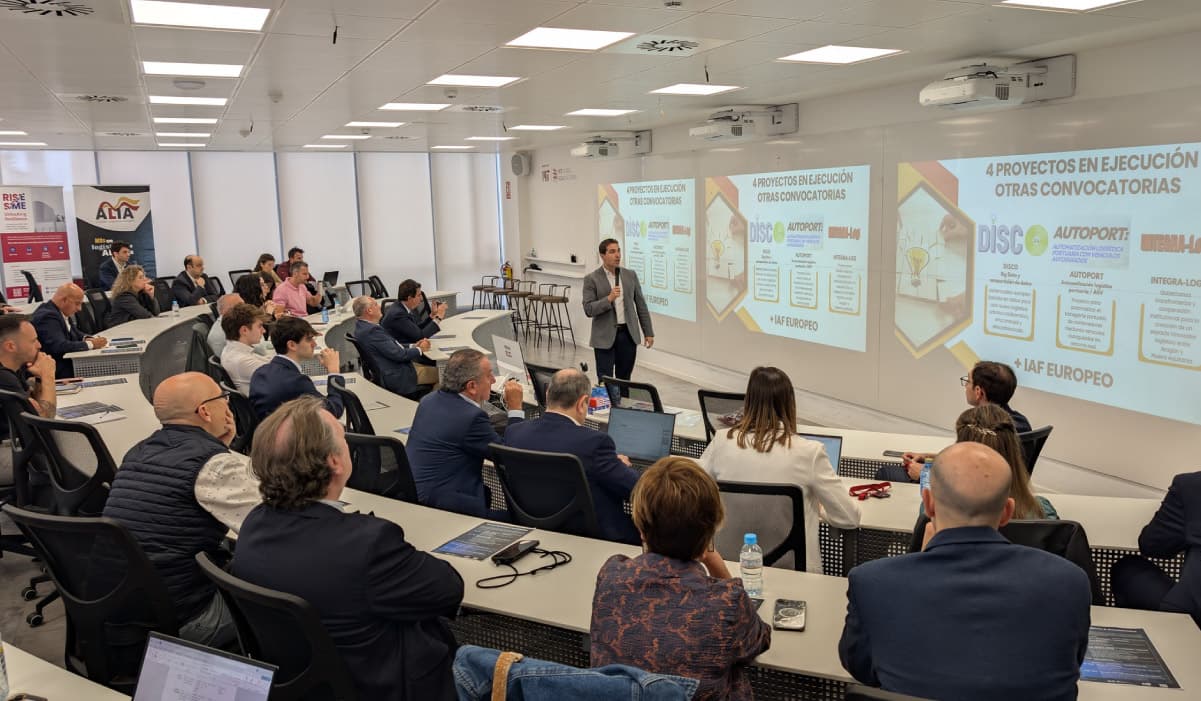
During the innovation-focused session, several projects involving ALIA and ZLC were presented, including ADoS, Z-CARE, PLENCO DLT, INDUVET, NAIMA, CARESWINE, Smart Bays, PuntoLocker, and UrbanDUM 4.0. The session also showcased the progress of Autoport (Port Logistics Automation with Automated Guided Vehicles), an initiative launched in January and led by ALIA aimed at transforming container management in port environments through advanced automation, process digitalization, and the combined use of cutting-edge technologies.
Currently, ALIA has 13 innovation projects under execution, in addition to others under preparation or pending approval.
“This means that we currently have 43 active projects involving numerous partners and collaborators contributing innovative solutions to the sector,” explained Alejandro Herráez, Technical Director of ALIA.
To conclude the event, a participatory workshop was held RISE SME, the European project coordinated by ZLC, focused on identifying enabling technologies and designing strategies to strengthen the resilience and adaptability of SMEs in Aragón in an increasingly changing global environment.
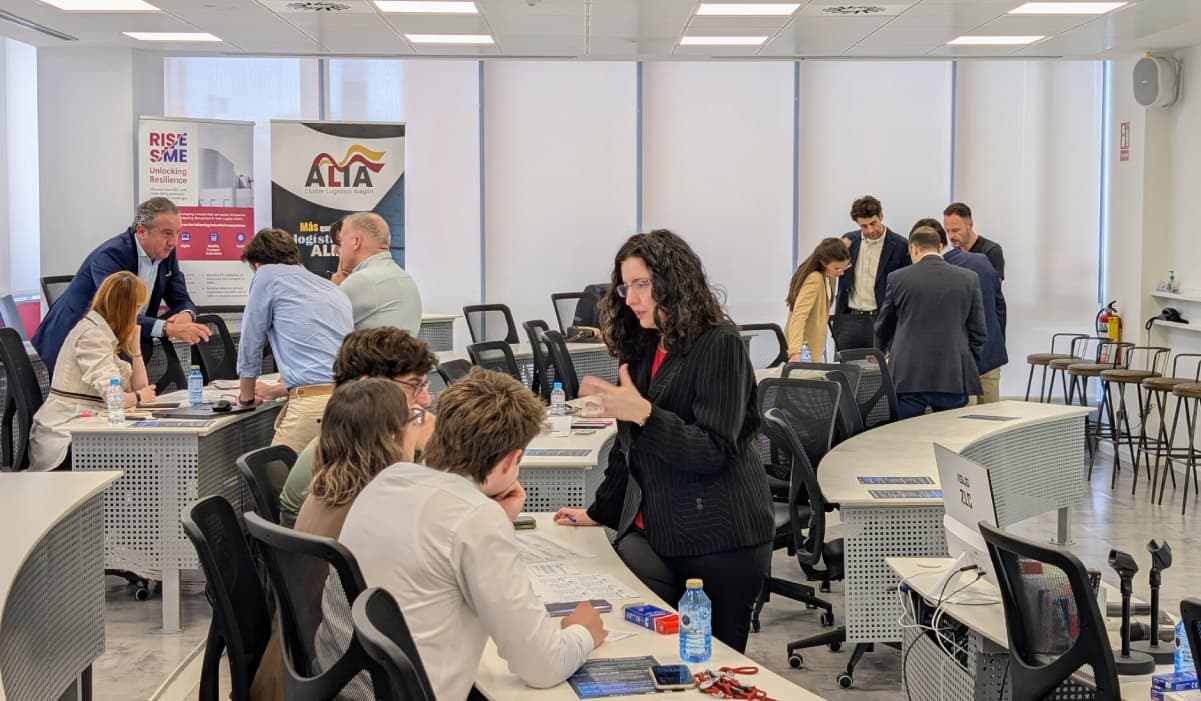
Throughout the event, participants highlighted the strategic role of Aragón as one of the leading logistics hubs in Southern Europe, thanks to its intermodal connectivity, infrastructure, business ecosystem, and its ability to attract investment, innovation, and international talent.
In this context, ZLC reaffirmed its commitment to promoting a more resilient, sustainable logistics sector prepared to face the challenges of a constantly evolving global environment. As a European node of the MIT Global SCALE Network, the center continues to strengthen the connection between research, industry, and institutions, consolidating its position as a benchmark space for the analysis and development of innovative supply chain solutions.
About Zaragoza Logistics Center
Zaragoza Logistics Center (ZLC) is an international research and education institute specialized in logistics and supply chain management, promoted by the Government of Aragón in collaboration with the Massachusetts Institute of Technology (MIT) and affiliated with the University of Zaragoza. The center is also supported by organizations such as Inditex, Ibercaja, and Fundación CAI, consolidating a collaboration model between academia, industry, and institutions focused on excellence, innovation, and talent development.
About ALIA
ALIA is the logistics cluster of Aragón and one of the leading references in the sector in Spain, with 180 members. Made up of companies, institutions, and entities linked to logistics and supply chain management, it works to promote competitiveness, innovation, business collaboration, and talent attraction within the Aragonese logistics ecosystem.
About RISE SME
RISE SME is a European project coordinated by ZLC aimed at strengthening the supply chain resilience of small and medium-sized enterprises through the adoption of innovative technologies, digital tools, and collaborative strategies that enhance their ability to adapt to the challenges of an ever-changing economic and geopolitical environment.

